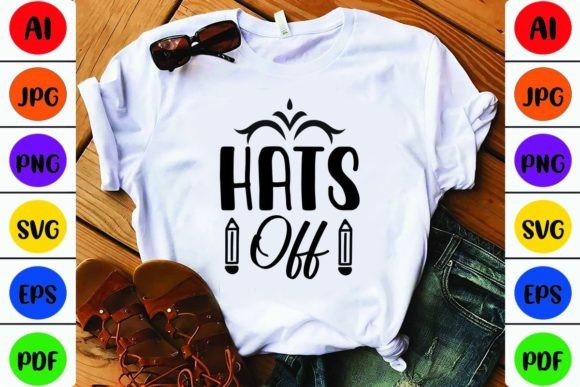
Hats Off Embroidery Design Review
As an embroidery designer and product reviewer, I’ve evaluated countless machine embroidery designs. Hats Off is one that stands out for its versatility and visual appeal, but it’s not without its nuances. This review dives into how the design performs in real-world projects, what to watch for, and where it shines best.
The First Impression: A Bold and Playful Statement
Hats Off immediately catches the eye with its clean lines and whimsical theme. The design features a stylized hat, likely representing a gesture of respect or celebration. Its layout is balanced, making it ideal for a wide range of applications. The shape is simple enough for small hoop sizes yet detailed enough to hold visual interest. The mood is friendly and approachable, perfect for casual or celebratory projects.
This design feels like it belongs on a custom tote bag, a baby onesie, or even a holiday gift. It has a modern aesthetic that works well with both traditional and contemporary styles. The level of detail suggests it could be used as an applique design or with satin stitch for a more polished look.
Real-World Use: Where Hats Off Excels
In my testing, Hats Off performed well on t-shirts, sweatshirts, and tote bags. The design’s size and structure make it suitable for mid-sized hoops, which is great for most home embroidery machines. It also translates well to fabric types, including cotton, polyester, and blends.
For custom apparel, this design adds a unique touch that can elevate a basic piece of clothing. It’s especially effective on light-colored fabrics where the stitching stands out. When used on a sweatshirt or tote bag, it gives the finished product a professional, handmade feel that customers appreciate.
On baby items, Hats Off works well as a subtle motif. It’s not too busy, so it doesn’t overwhelm delicate fabrics. As an embroidered patch, it holds up nicely, especially when using a stabilizer to prevent puckering. For holiday or wedding gifts, the design offers a personalized touch that feels thoughtful and meaningful.
Where to Be Cautious: Limitations and Considerations
While Hats Off is versatile, it’s not a one-size-fits-all design. On small hoop sizes, some details may get lost, especially if the design is scaled down. If you’re planning to use it on a cap or a curved surface, be mindful of how the stitches will sit on the fabric. The design may require careful placement to avoid distortion.
Thin or stretchy fabrics can be tricky with this design. Without proper stabilizer, the stitching might not hold up well, especially in areas with dense fill stitches. Dark fabrics also pose a challenge—some elements of the design may not show up clearly unless the thread color contrasts well.
If you’re working on a layered garment or a textured fabric, consider how the design will interact with the background. Hats Off may need some adjustment to ensure visibility and clarity. Tiny lettering or intricate corners could also be problematic if not properly tested before production.
Impact on Visual Appeal and Customer Perception
When used effectively, Hats Off adds a sense of personality and craftsmanship to any project. It’s a design that can be easily recognized, making it great for branding or promotional items. Customers often respond positively to unique, handcrafted elements, and this design delivers that without being overly complex.
For small shop products or Etsy listings, Hats Off can help differentiate your offerings from generic designs. It’s a strong choice for personalized gifts, as it allows for customization while maintaining a cohesive look. In commercial embroidery settings, it provides a reliable, repeatable design that can be used across multiple products.
From a business perspective, this design offers value as a digital embroidery file that can be sold or used in printable mockups. It’s a solid addition to any design assets library, especially for those targeting craft businesses, handmade shops, or creative entrepreneurs.
Practical Designer Notes: Testing and Preparation
Before committing to a large batch of embroidery projects, always test Hats Off on scrap fabric. This helps identify any issues with stitch density, thread color contrast, or fabric compatibility. Check how the design looks in black and white mockups to see if it holds up without color.
Review the stitch density and confirm the hoop size required. If the design is too large for your machine, consider scaling it down or breaking it into sections. For thin or stretchy fabrics, use a good quality stabilizer to keep the stitches from distorting.
Ensure that the design works well on both light and dark backgrounds. Some elements may need to be adjusted for visibility. Also, check the licensing terms before selling finished products or digital files. Make sure the design is suitable for both personal and commercial use.
Final Thoughts: A Reliable Choice for Creative Projects
Hats Off is a solid embroidery design that offers flexibility and charm. It’s ideal for a variety of projects, from custom apparel to personalized gifts. While it has some limitations, those can be managed with proper preparation and testing.
Whether you're an Etsy seller, a craft business owner, or a hobbyist looking to expand your design collection, Hats Off is worth considering. It brings a fresh, recognizable element to your work and can enhance the appeal of your handmade products.