Librarian Embroidery Design: A Practical Review for Real Projects
As an embroidery designer who regularly evaluates machine embroidery designs for both personal and commercial use, I approach new graphics with a mix of curiosity and caution. The Librarian design caught my attention not just for its theme but for how it might translate into real-life embroidered products. Here's my honest take after considering its potential in various applications.
First Impressions: Mood and Visual Personality
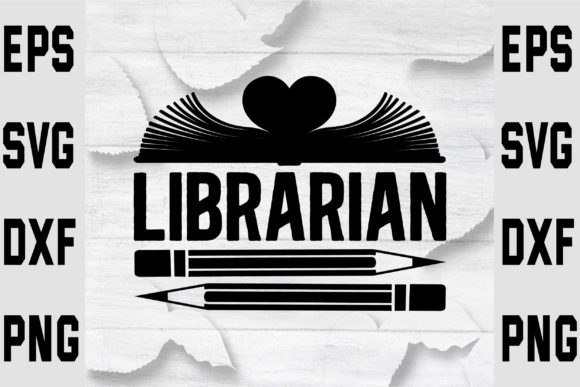
The Librarian SVG design brings a warm, intellectual, and slightly whimsical vibe to the table. It’s clearly crafted with a school or holiday theme in mind—perfect for creating custom apparel or gifts that speak to book lovers, educators, or even as part of a boutique line for themed events. The layout is balanced, with a central figure flanked by subtle decorative elements like books or scrolls. The level of detail is moderate, which makes it versatile enough to adapt across different embroidery surfaces without overwhelming them.
I was particularly impressed by the two available variations: black and color. This gives embroiderers more flexibility depending on the fabric they're working with and the target audience. The color version feels vibrant and engaging, while the black variation offers a clean, timeless aesthetic. Both seem well-suited for custom apparel, especially when paired with the right thread colors and fabric choices.
Where It Shines
- Tote Bag Designs: The Librarian design would look excellent on a tote bag, especially if you're targeting customers looking for personalized or thematic carryalls for back-to-school season or holiday gifting.
- Sweatshirt Embroidery: Its size and structure make it ideal for front-center placement on a hoodie or sweatshirt, where it can be seen from a distance without losing clarity.
- Holiday Gifts and Cards: Given its seasonal appeal, this design could be used to create embroidered ornaments, cards, or gift tags that resonate with a cozy, academic charm.
- Embroidered Patches: If you're making patches for backpacks, jackets, or hats, the Librarian graphic has a good balance of shape and stitch definition to stand out as a quality applique design.
- Boutique Branding: For small shop owners or Etsy sellers, this design could serve as a signature piece for a niche collection centered around education, reading, or library themes.
Real-World Performance and Project Fit
When thinking about how the Librarian design will perform in actual embroidery projects, there are several key factors to consider. The overall composition works well with satin stitch and fill stitch techniques, ensuring that the main elements remain crisp and recognizable after stitching. However, because it includes some intricate lines and shapes, it’s important to review stitch density before moving forward, especially if you plan to embroider on stretchy or thin fabrics.
For handmade products like pillow covers or aprons, the design maintains a professional yet cozy appearance. The figures are stylized but not overly complex, allowing for smooth transitions between stitch types. This is a big plus for hobbyists and craft business owners who want their finished product to feel polished without requiring advanced embroidery skills.
Design Notes for Commercial Use
If you're using the Librarian design for commercial embroidery or digital product sales, here are a few observations based on practical application:
- It performs best on mid-weight cotton or cotton blends due to the visual weight of the design. Lighter or darker backgrounds may require adjustments in thread color for optimal visibility.
- Because it features some fine details, such as facial expressions or clothing textures, it benefits from testing on scrap fabric first. This helps catch any issues with thread colors or stitch coverage early on.
- The design doesn’t include exact stitch counts or recommended hoop sizes, so it’s essential to check these details before mass production. You’ll also want to confirm licensing terms if planning to sell finished products or digital embroidery files.
Cautious Applications and Fabric Considerations
While the Librarian design is adaptable, there are situations where extra care is needed. For example:
- Small Hoop Sizes: Due to the design’s moderate scale, attempting to shrink it too much could compromise the legibility of key elements like the face or text. Always test scaling before finalizing your project.
- Textured Fabrics: On denim or canvas, the design holds up well. But on flannel or other fuzzy materials, you may need to adjust stitch settings to prevent distortion.
- Stretchy or Thin Fabrics: These can cause the design to pucker or lose shape if not stabilized properly. Using a good-quality stabilizer is highly recommended.
- Curved Surfaces: When applying the design to caps or curved garments, ensure the layout allows for seamless adaptation. Some parts of the design may need repositioning or simplification for curved embroidery areas.
- Frequent Washing: For items like baby clothes or tea towels, keep in mind that high-stitch-density areas might fade faster over time. Choose durable threads and proper backing to maintain longevity.
Thread Color Contrast and Stitch Clarity
One thing I always stress to fellow embroiderers is the importance of thread color contrast. The Librarian design uses a variety of tones in the color version, which can be tricky if the background isn't neutral. Testing it on a white or light-colored fabric sample will help you determine whether the colors pop or blend too much.
For the black version, the bold outlines work beautifully on light backgrounds but can appear washed out on dark ones. In such cases, using metallic or contrasting thread colors can enhance the visibility and impact of the design.
Enhancing Product Value and Customer Appeal
From a business standpoint, the Librarian design has strong giftability and brand recognition potential. Whether you're creating personalized gifts for teachers or designing a line of educational-themed merchandise, this design adds character and specificity that sets your product apart.
Its consistent style and thematic depth contribute to a sense of professionalism, which is vital for Etsy sellers and handmade shop owners aiming to build customer trust. The design’s versatility also means it can be integrated into a broader set of design assets—think printable mockups or matching labels for packaging—to maintain brand consistency across all offerings.
Buyer Engagement and Handmade Presentation
What really stands out about the Librarian design is how it invites emotional engagement. People connect with characters, and this one exudes a kind of scholarly warmth that makes it memorable. As a result, it can significantly boost buyer interest, especially during the holiday season when unique and thoughtful gifts are in demand.
For embroidered patches or apparel decorators, the design’s personality ensures that the handmade presentation feels intentional and meaningful. It’s not just an image—it’s a story. That kind of storytelling is what turns casual shoppers into repeat customers.
Designer Tips for Getting the Most Out of Librarian
- Test on Scrap Fabric: Before committing to a large order, run a test stitch on a similar material to see how the design behaves under tension and pressure.
- Check Thread Color Contrast: Especially for the black version, consider using a complementary thread color if your fabric is anything but plain white.
- Review Stitch Density: Dense areas might require thinner thread or reduced stitch spacing to avoid puckering or stiffness.
- Confirm Hoop Size: If the hoop size isn’t specified, double-check your software or contact the seller to ensure compatibility with your embroidery machine.
- Inspect Small Details: Look closely at facial features or delicate lines. These may need reinforcement or adjustment for certain fabrics.
- Use Proper Stabilizer: Especially for lightweight or stretchy materials, a cutaway stabilizer can save your project from distortion.
- Test in Black and White Mockups: This helps assess how the design will look in grayscale, which is useful for tonal variations or fabric dye effects.
- Compare Light and Dark Backgrounds: See how the design adapts visually and technically to different fabric tones.
- Check Licensing Terms: If you’re selling crafts or graphics, verify whether the design allows commercial resale or requires attribution.
Final Thoughts for Crafters and Entrepreneurs
In summary, the Librarian design is a solid choice for anyone involved in machine embroidery, whether for a personal project or a craft business. Its creative theme and clear layout offer a natural fit for holiday gifts, custom apparel, and boutique branding. However, success with this design depends on thoughtful preparation—especially regarding fabric type, stabilizer use, and thread color selection.
As a reviewer and practitioner, I recommend approaching it with a clear vision of your end goal. Is it a personalized gift? A small shop product? Or perhaps a standout feature in a printable mockup for digital downloads? Each context will call for slight tweaks in execution.
Ultimately, the Librarian design adds a layer of charm and creativity that can elevate your embroidery project from ordinary to remarkable. With the right care and consideration, it has the potential to become a staple in your design portfolio—and maybe even a favorite among your customers.